
Notebook: narwhal glaciologists, US battery storage boom, EV recycling, extreme heat by the hour

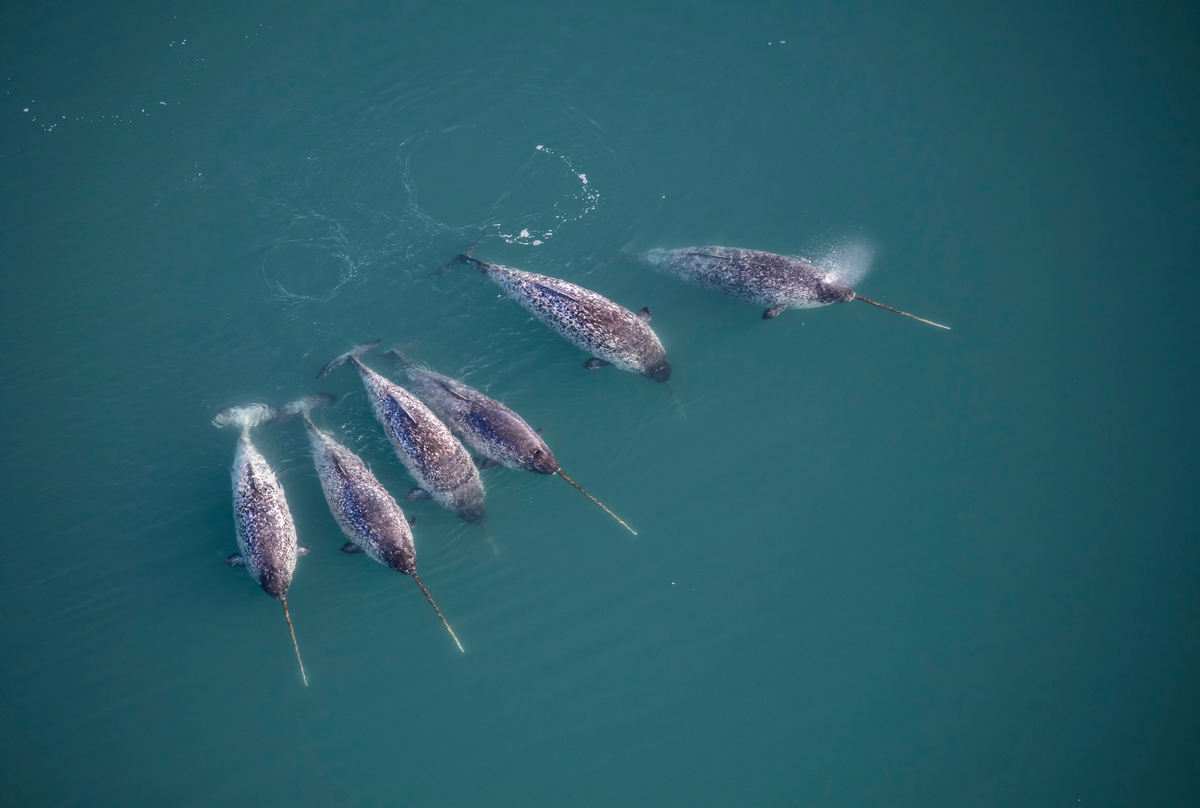
The watchers on the narwhal
Collecting ocean data is expensive. It takes a long time for a fully crewed ship to get out to each location and drop the sensors, and the meter is running the whole time. Sometimes, it's not even possible to get to a location because ice bars the way.
But where human mammals mail, marine mammals can succeed. Researchers have often attached sensors to seals, recording data wherever each seal goes—even beneath an ice shelf that extends far out into the water—until the sensor dies or falls off. A recent study turned to the majestically weird narwhal, instead, yielding data that help explain why certain glaciers in Greenland are melting faster.
Scoresby Sound on Greenland's eastern coast contains a number of glaciers that funnel together. Because the sound is generally filled with impassable pack ice, there has been extremely little data collection here, despite the fact that these glaciers are shrinking even faster than their neighbors.
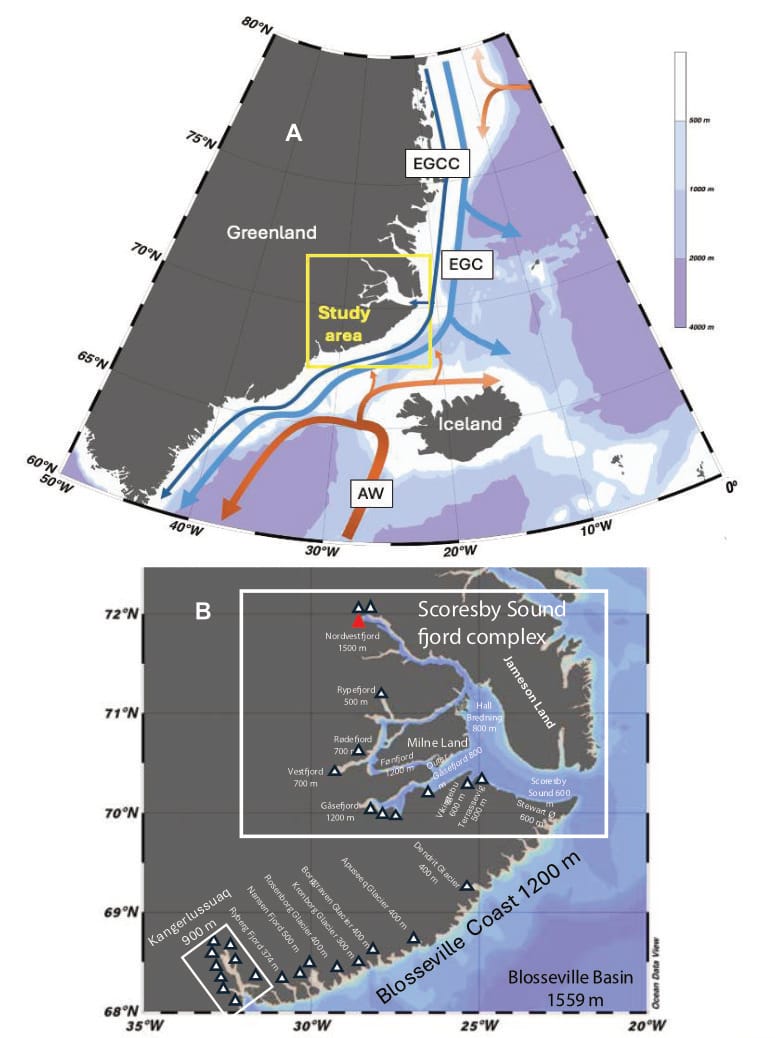
Sensors attached to six narwhals collected temperature and salinity data over three years throughout these fjords. They showed that researchers had guessed correctly—because these glaciers sit in deeper fjords, more ice is contact with a lower layer of water called Atlantic Intermediate Water. This salty water, which is warmer (and warming faster) pushes beneath the cooler surface water in the area. The increased contact with the ice means the Atlantic Intermediate Water is melting the underside of these glaciers where they meet the sea.
Credit: Carsten Egevang, Mads Peter Heide-Jørgensen
These are the kinds of details you need to understand how quickly we'll lose ice across the Greenland Ice Sheet as the world continues to warm. And it's a fun way to get those details. As the authors write, "Our partnership with narwhals using electrode sensor technology showcased how innovative approaches, even involving unconventional collaborators, can revolutionize oceanographic research."
Beaucoup battery build-out
Despite Trump Administration headwinds for clean energy, economics and reality carried U.S. battery storage to new heights in quarter two of 2026.
According to the Solar Energy Industries Association's (SEIA) latest Energy Storage Market Outlook, 20.2 gigawatt-hours of batteries were installed in Q2—a new record for the United States. This tops a pair of 18-gigawatt-hour quarters in 2025. (Battery installations can be described in terms of how much power they can provide continuously—in watts—and how much total energy they can provide before running out of charge—in watt-hours.)
Of the 20.2 gigawatt-hours installed, 18 were built by utilities. That included seven projects that were about one gigawatt-hour each—one in Utah, two in California, and four in Arizona.
The rest was made up of residential batteries (about 0.66 gigawatt-hours) and commercial/industrial installations (about 1.8 gigawatt-hours).
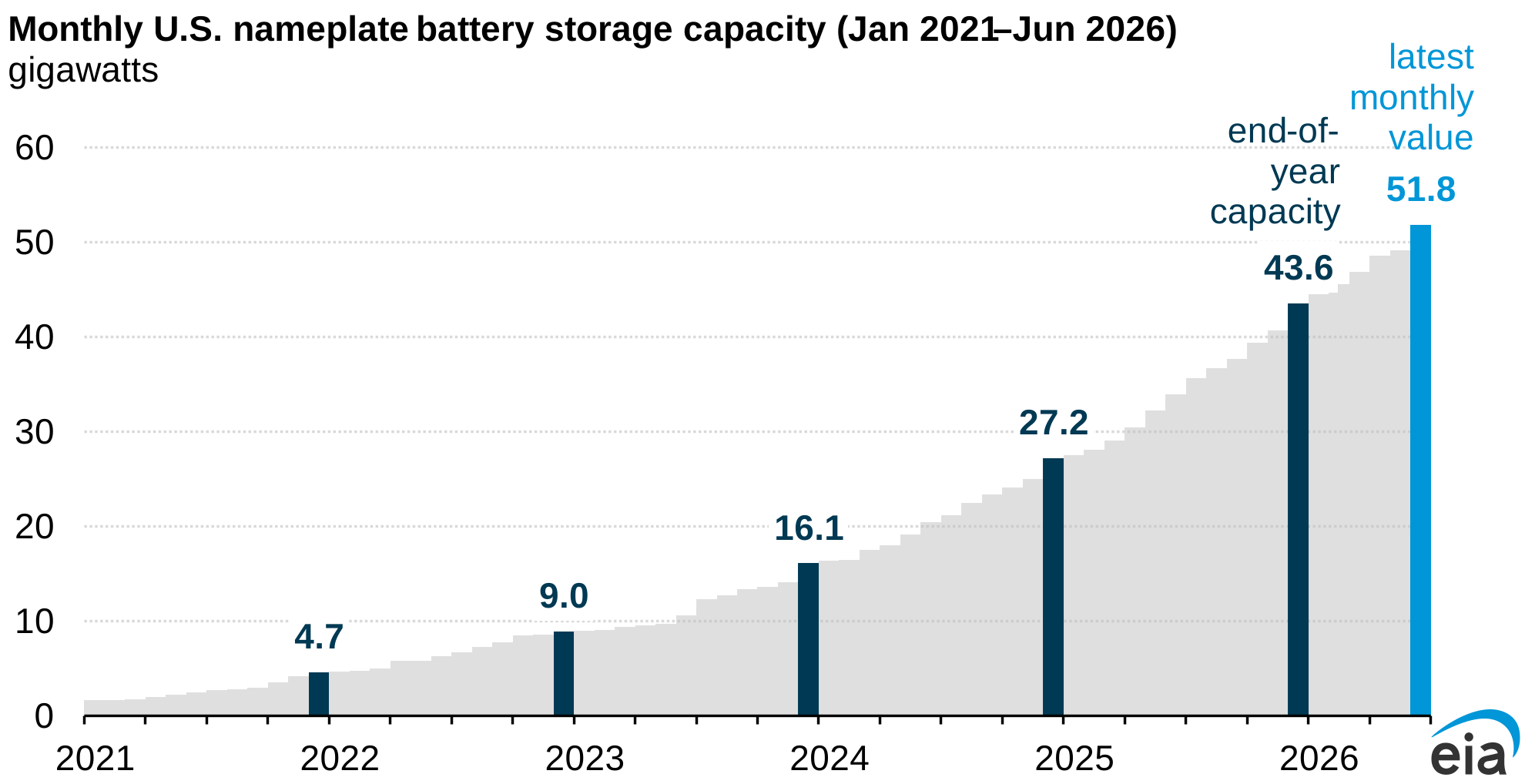
The U.S. Energy Information Administration recently noted that over the last three years, utility-scale battery storage has increased at a rate of 70% per year. Measured in power capacity, the total hit almost 52 gigawatts in June. The Q2 installs account for 6.7 gigawatts of that number. The momentum in this trend is clear.
It's the circle of EV life (On Ars)
A study in Joule ran the numbers to see how much of certain critical materials needed to manufacture EVs in China could be sourced from recycled EVs over the next few decades. The answer, encouragingly, was "a lot". But it depends on how quickly battery and motor technology evolves.
Hot hours seem like days (On Ars)
Projections of increasing extremely hot weather as the climate changes have generally focused on daily metrics—daily maximum, minimum, or average temps. A study in Nature Climate Change analyzed these patterns hour-by-hour, instead. There are actually some surprising advantages to looking at the problem this way.